
The Women Who Were Not Ready
She SaidThis flow examines the recurring choice not to speak publicly, treating silence as a response to real risks rather than a simple failure of courage.
increasing Bearing strength in each event
 decreasing
Bearing strength in each eventdecreasingAn Initial No
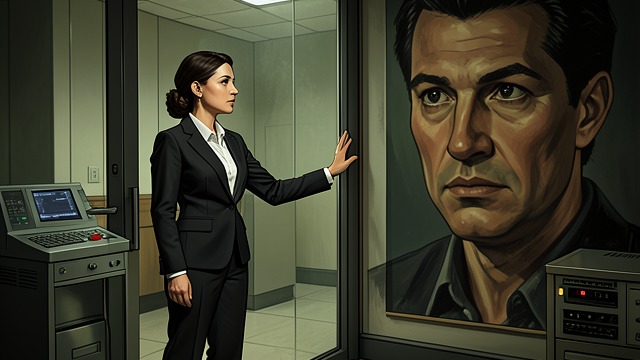
An Initial No
Caution at first contact
Rose McGowan’s first response to Jodi Kantor was a refusal. Other actresses and former employees also declined interviews or stopped replying after initial contact.
Silence has reasons
The women feared exposure, professional consequences, or renewed scrutiny. Their decisions showed that reporters could not assume a source’s story belonged to the public simply because it might be newsworthy.
Agreements Restrict Speech
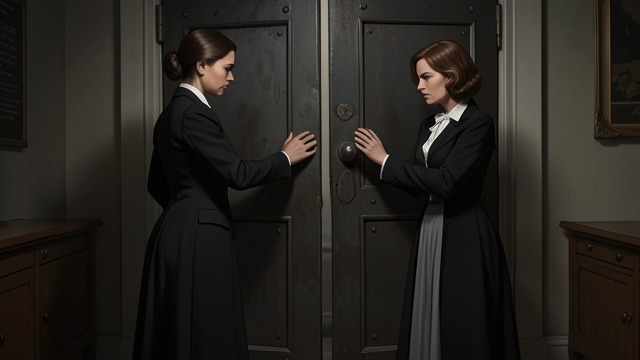
Agreements Restrict Speech
Contractual barriers
Zelda Perkins and Rowena Chiu had signed restrictive settlement agreements. Other women in the investigation were also constrained by confidentiality clauses or feared financial consequences if they spoke.
Isolation reinforced
These agreements did more than protect privacy. They could prevent former colleagues from comparing accounts, making each woman feel alone with an experience that might have been repeated.
A Source Withdraws
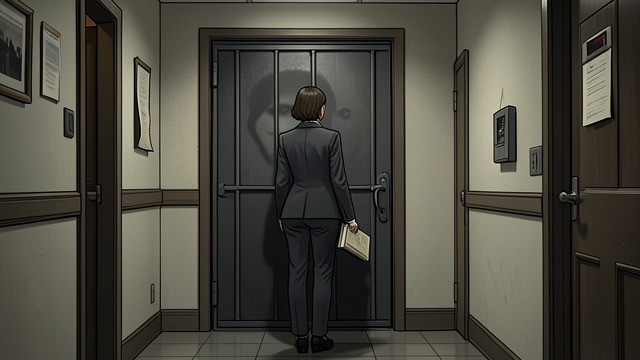
A Source Withdraws
Choosing not to be named
McGowan declined to go on the record in the first article despite having once publicly hinted at her experience. Her decision came amid pressure over a payment offer and advice from her lawyer.
A partial public record
The reporters used her settlement document but did not present her as a named accuser in that story. The distinction honored her stated limit while preserving evidence relevant to the investigation.
Ford’s Near Silence

Ford’s Near Silence
A decision delayed
Christine Blasey Ford drafted possible letters to senators and considered withdrawing. She feared threats, public exposure, and the effects on her family, while advisers disagreed about whether speaking would make a difference.
Refusal is consequential
Ford did not choose an easy path by hesitating. Her uncertainty reflected the prospect of enormous personal costs and the absence of a process she trusted.
Silence Reconsidered

Silence Reconsidered
Chiu’s later choice
Rowena Chiu had remained unnamed and had not publicly told her account for years. At the gathering, she listened to women describe both the costs and the meaning of disclosure.
Speaking on her own terms
Chiu eventually agreed to be identified. Her decision did not make public speech obligatory for every woman; it showed how time, support, and control over one’s story could change what felt possible.
May 2017
1998 to 2017
October 2017
August 2018
2019
